There is something quite magical about the moment when the rolling hills of Drôme Provençale turn a deep shade of purple, and photographers from all over the world descend upon this quieter corner of Provence to capture it. Unlike the more famous Valensole Plateau or the Abbey of Sénanque, the countryside around Grignan offers something a little more intimate, a little less crowded, and arguably just as photogenic. Whether you are travelling with a DSLR camera slung over your shoulder or simply hoping to fill your phone with holiday snaps worth framing, this guide will walk you through the best angles, the finest villages, and the golden hours that make this region such a rewarding place for travel photography.
In brief
- The lavender fields around Grignan offer a more intimate and less crowded alternative to other famous Provençal locations.
- Lavender blooms typically peak from mid-June to early July, making this the ideal window for capturing the most vibrant colors.
- Visitors should remain on public roads rather than entering the fields to respect local farmers and preserve the crops.
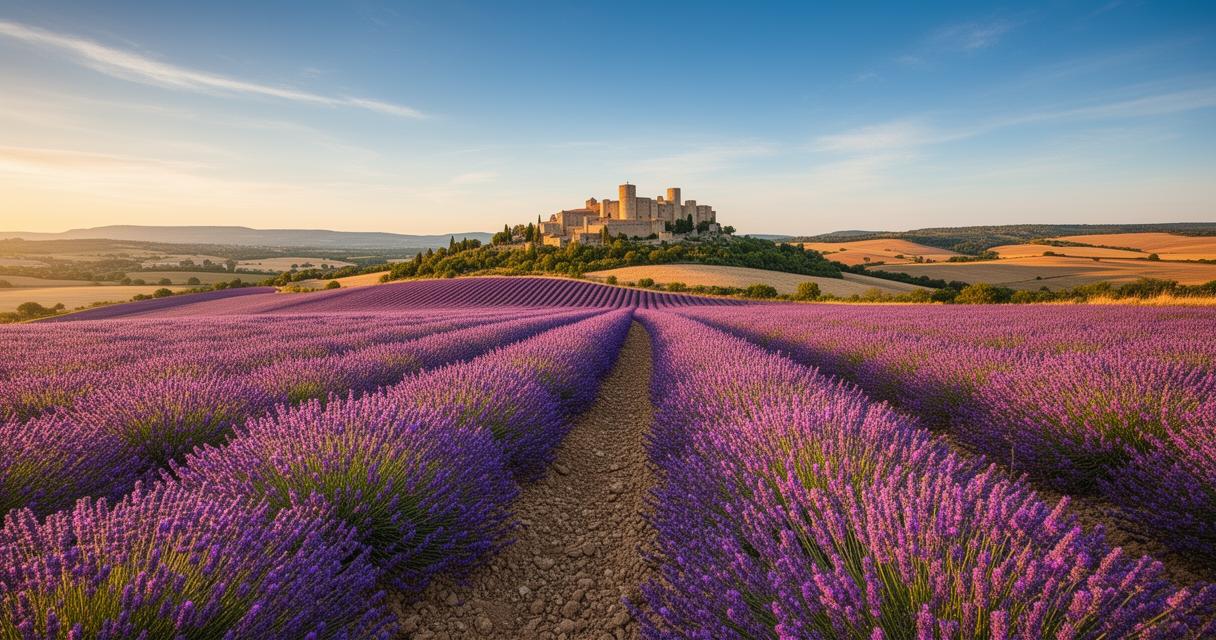
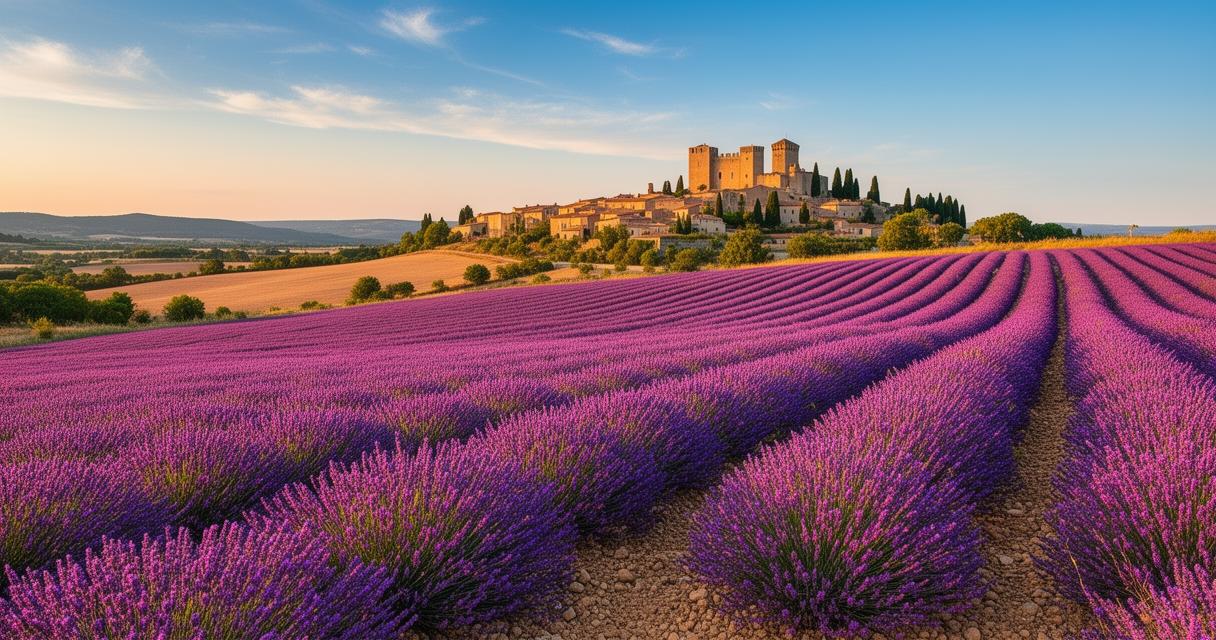
- The Renaissance-era Château de Grignan serves as an iconic focal point, creating striking compositions when framed against foreground lavender.
- Shooting during the golden hour, particularly at dawn, provides the best soft lighting for both the landscape and the historic architecture.
- The region near Nyons and Charols offers quieter, more authentic locations for photographers seeking to avoid the main tourist crowds.
- Using a wide-angle lens and a sturdy tripod is recommended for capturing sweeping panoramas and maintaining clarity during low-light conditions.
Capturing the purple waves: top lavender fields near grignan
The countryside surrounding Grignan is laced with narrow lanes that cut straight through fields of blooming lavender, and following these routes is one of the simplest pleasures of visiting in summer. The flowers typically begin to show colour from mid-June, reaching their most vivid peak in early to mid-July, just before the annual harvest begins in the first week of that month. After that point, the fields are cut and the lavender is taken away for distillation, so timing your visit correctly really does make all the difference to the shots you come home with.
The iconic lavender routes around grignan village
A well-loved lavender route threads together Grignan, Reauville, and Montjoyer, passing several honey farms along the way where the buzzing of bees provides a rather charming soundtrack to your photography session. These roads are public, which is just as well, because access directly into the fields themselves is restricted. Farmers rely on this land for their livelihood, and wandering into the rows to pose for a picture is both discourteous and potentially damaging to the crop. Sticking to the roadside not only respects the growers but often provides a better vantage point anyway, allowing you to capture the full sweep of colour stretching towards the horizon.
Prime viewing spots for sweeping lavender panoramas
For those wanting a wider, more dramatic composition, the Plateau de Géry near Montélimar is well worth the detour, as is the village of Espeluche just a short drive away. Further afield, the slopes around Eyzahut and the Sainte-Euphémie mountains offer a slightly more rugged backdrop, where the lavender rows contrast beautifully against rockier terrain. A wide-angle lens is particularly useful here, helping to exaggerate the depth of the fields and draw the eye towards distant hills. Bringing along a sturdy tripod is also wise, especially if you plan to shoot during the dimmer light of early morning or dusk.
Framing Château de Grignan Amongst the Blooms
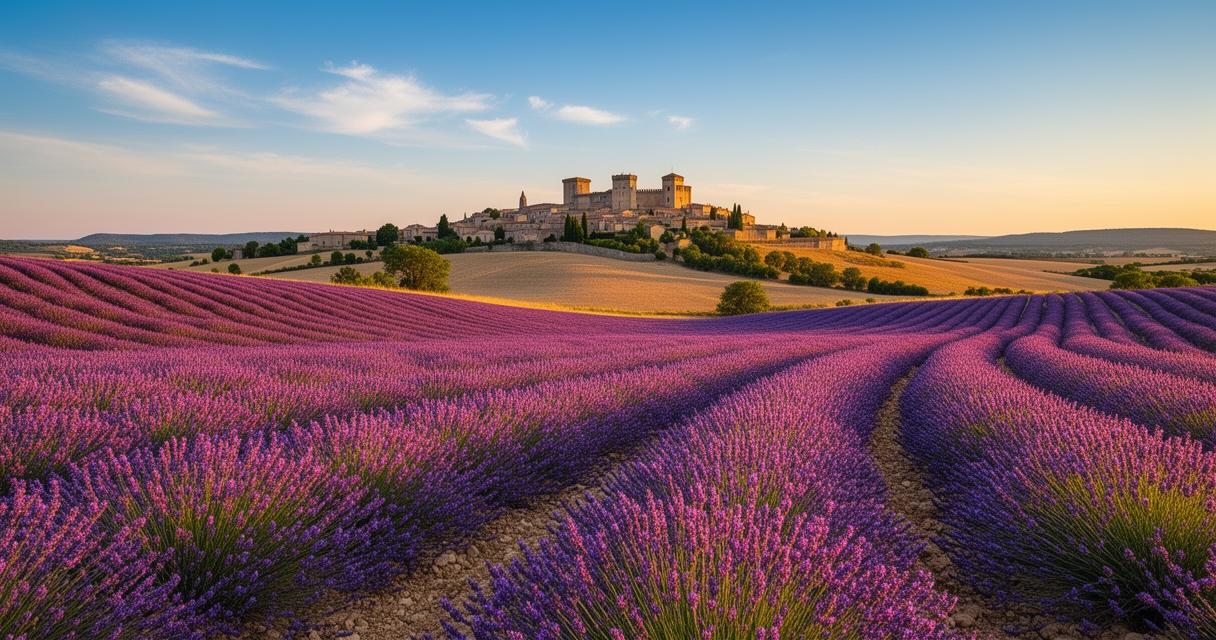
No photography trip to this part of the Provence countryside would be complete without pointing your lens towards the Château de Grignan, a striking Renaissance structure that watches over the surrounding fields from its hilltop position. The juxtaposition of ancient stone walls against a foreground of fragrant purple rows is, frankly, the kind of image that photography guides dream about.
Best Vantage Points for Castle and Lavender Compositions
Several spots around the village allow you to frame the castle with lavender in the foreground, and a little wandering on foot usually reveals the most flattering angle. Climbing slightly uphill from the village centre tends to offer a cleaner sightline, free from parked cars or telephone wires that can otherwise spoil an otherwise perfect shot. Patience helps too, as the light shifts constantly throughout the day and can transform the same view entirely within the space of an hour.
Golden hour photography tips at grignan's historic landmark
Photographers consistently recommend arriving early, well before the sun climbs high, to make the most of that soft, warm light often referred to as the golden hour. This is when the stonework of the château takes on a honeyed glow and the lavender seems to almost glimmer. Evening light offers a similar reward, though the crowds tend to be thicker at that time, so an early start is generally the better option for anyone serious about their images.
Beyond Grignan: Lavender Photography in Nyons and Surrounding Villages
While Grignan understandably draws much of the attention, the wider Drôme Provençale region has plenty more to offer photographers willing to venture a little further. Nyons, celebrated for its olives and truffles, sits nearby and provides its own share of picturesque scenery, blending agricultural charm with the same chalky soil that makes lavender thrive here.
Hidden Gems in Nyons for Authentic Lavender Backdrops
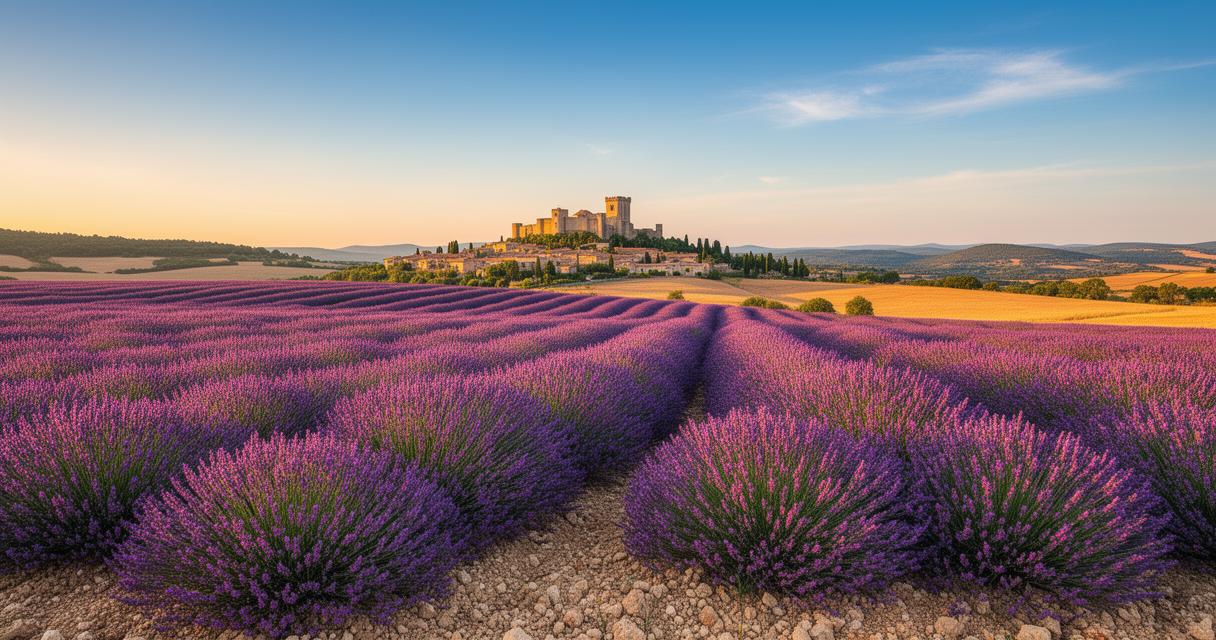
Away from the main tourist paths, smaller lanes around Nyons reveal quieter fields where you are far less likely to bump into other photographers jostling for the same shot. These spots feel more authentic, more rural, and often lend themselves to candid, storytelling-style images rather than the postcard-perfect panoramas found elsewhere. Open-air markets in the town are also worth a visit, offering colourful stalls of lavender-based products, from essential oils to soaps, that make for interesting close-up photography.
Charming Villages and Natural Reserves Perfect for Landscape Photography
Further exploration around Charols brings you to the area near Château Les Oliviers de Salettes, a beautifully restored property with thirty-two elegantly decorated rooms and suites, along with a spa perfect for relaxing after a long day of walking and shooting. Staying somewhere like this allows easy access to nearby lavender fields at dawn, when the light is at its softest and the roads are blissfully quiet. Various natural reserves scattered throughout the region add further variety, offering wooded backdrops and hillside viewpoints that make a refreshing change from flat, open fields.
Getting around this part of Provence really does require a car hire, since many of the best locations sit well off public transport routes and down winding country lanes. It is worth remembering, too, that safety matters on these rural roads, particularly when pulling over to park or crossing to reach a viewpoint, as visibility can be limited on narrow bends. With a bit of planning, respect for the working farmland, and an early alarm clock, Drôme Provençale rewards visitors with some of the most memorable and understated lavender photography to be found anywhere in the south of France.