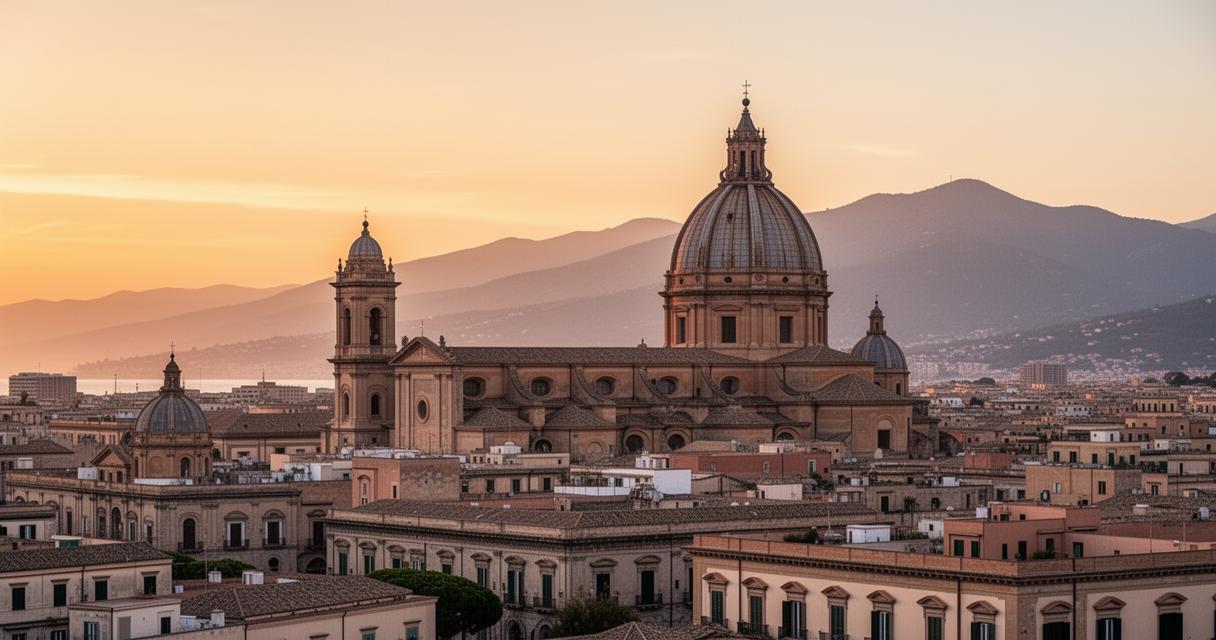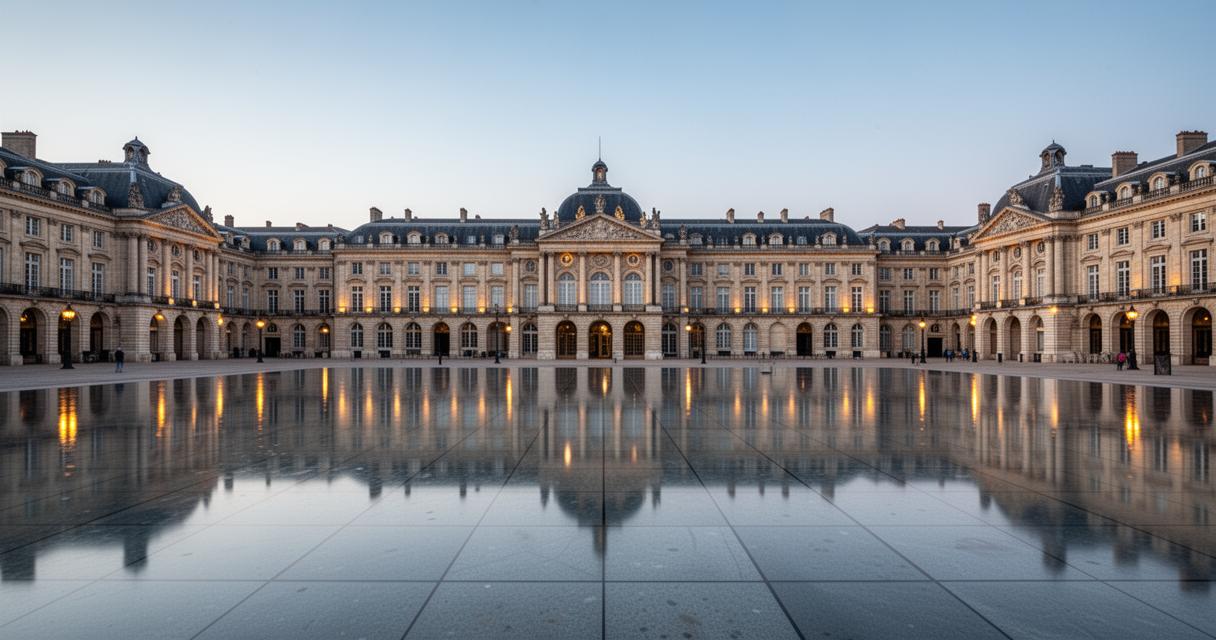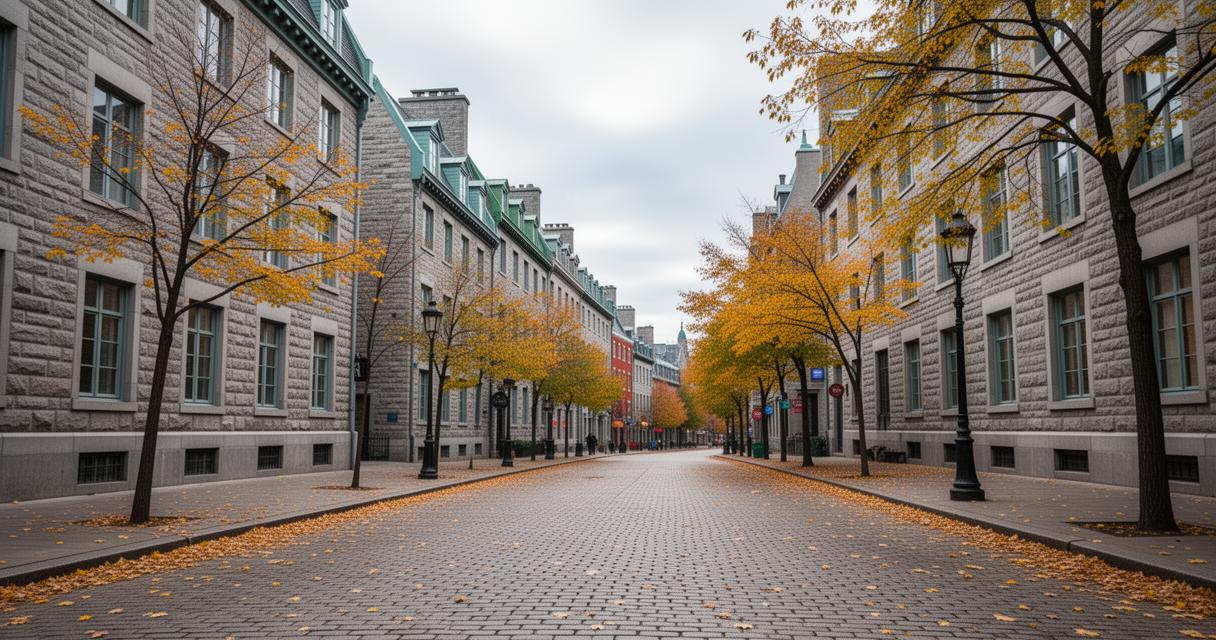
Palermo, the vibrant capital of Sicily, is a city that rewards even the briefest of visits. Whether you are stepping ashore from a Mediterranean cruise or simply passing through on a longer Italian journey, this sun-drenched city packs an extraordinary amount of history, culture, and beauty into its ancient streets. A well-planned stopover in Palermo can easily leave you with memories that last a lifetime.
In brief
- Palermo is a historic city characterized by a unique architectural blend of Arab, Norman, Byzantine, and Spanish influences.
- The Palermo Cathedral is a must-see landmark, famous for its eclectic architectural style that incorporates elements from multiple historical eras.
- The Palazzo dei Normanni and its Palatine Chapel feature world-renowned Byzantine mosaics that highlight the city’s royal heritage.
- Teatro Massimo serves as a grand symbol of Palermo’s cultural ambition and stands as one of the largest and most impressive opera houses in Europe.
- Exploring the city’s historic quarters and vibrant street markets reveals a distinct atmosphere that sets Palermo apart from other Italian destinations.
- The Botanical Garden offers a tranquil retreat from the bustling city center, showcasing a vast collection of tropical and Mediterranean plants.
- The Antonio Salinas Regional Archaeological Museum provides an extensive look at Sicily’s ancient history through its significant collection of Phoenician, Greek, and Roman artifacts.
Discovering Historic Architectural Wonders in the City Centre
Few cities in Europe can rival Palermo when it comes to the sheer density of architectural masterpieces within its centre. The city’s layered past — shaped by Arab, Norman, Byzantine and Spanish influences — has left behind a skyline unlike anything else in Italy. When exploring Sicilian architecture, you quickly realise that virtually every corner conceals a new wonder. Indeed, for those with even a few hours to spare, visiting Palermo offers a genuine journey through the centuries.
Marvel at the Magnificent Palermo Cathedral
Standing proudly at the heart of the city, the Palermo Cathedral is one of the most compelling sights in all of Sicily. What makes this building particularly remarkable is its extraordinary architectural eclecticism: originally constructed in the 12th century, it served at various points as a mosque before being consecrated as a Christian church, and each successive culture left its mark on the structure. The result is a breathtaking fusion of Norman, Gothic, Baroque and Neoclassical elements, all coexisting in a single façade. Strolling around its exterior is a lesson in history without ever opening a textbook, and the interior houses royal tombs that speak volumes about Sicily’s regal past.
Explore the Grand Royal Palace and Palatine Chapel
Just a short walk from the cathedral stands the Palazzo dei Normanni, also known as the Norman Palace, which ranks among the oldest royal residences in Europe. Built during the Arab era and expanded by the Normans in the 12th century, this grand palace once served as the seat of the Kingdom of Sicily. Within its walls lies the jewel of the entire complex: the Palatine Chapel, a UNESCO World Heritage Site whose gilded Byzantine mosaics are simply staggering in their detail and brilliance. No visit to Palermo is truly complete without standing beneath that golden ceiling and letting the scale of human craftsmanship sink in.
Immersing in Cultural Treasures and Historic Squares
Beyond its celebrated monuments, Palermo pulses with a living, breathing cultural energy that spills out into its piazzas and historic quarters. The city’s cultural heritage is not confined to museums — it inhabits the very fabric of its streets, markets and public spaces.
Experience the Splendour of Teatro Massimo
For lovers of the performing arts and grand architecture alike, the Teatro Massimo is an unmissable landmark. This magnificent opera house is one of the largest in Europe, and its neo-classical façade dominates the piazza that bears its name. Even if you are not attending a performance during your Palermo city break, the building itself warrants a visit — guided tours allow visitors to explore the ornate interior, from the grand foyer to the sweeping tiers of the auditorium. The theatre has become a symbol of Palermo’s enduring cultural ambition and its place on the world stage.
Wander Through Piazza del Duomo and Historic Quarters
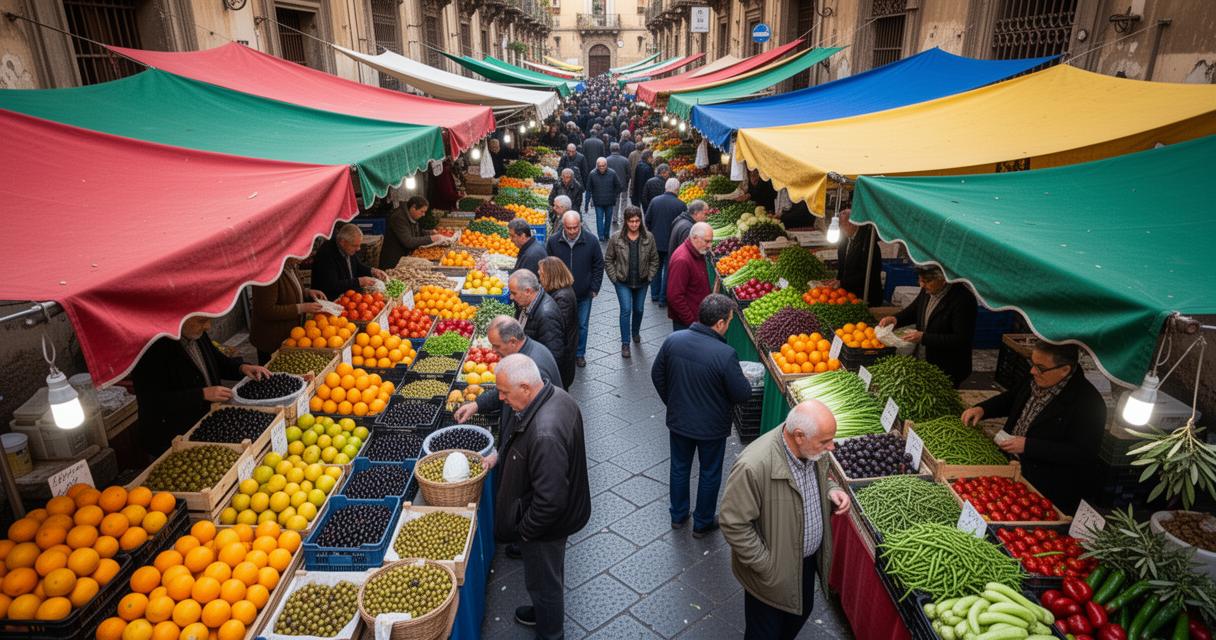
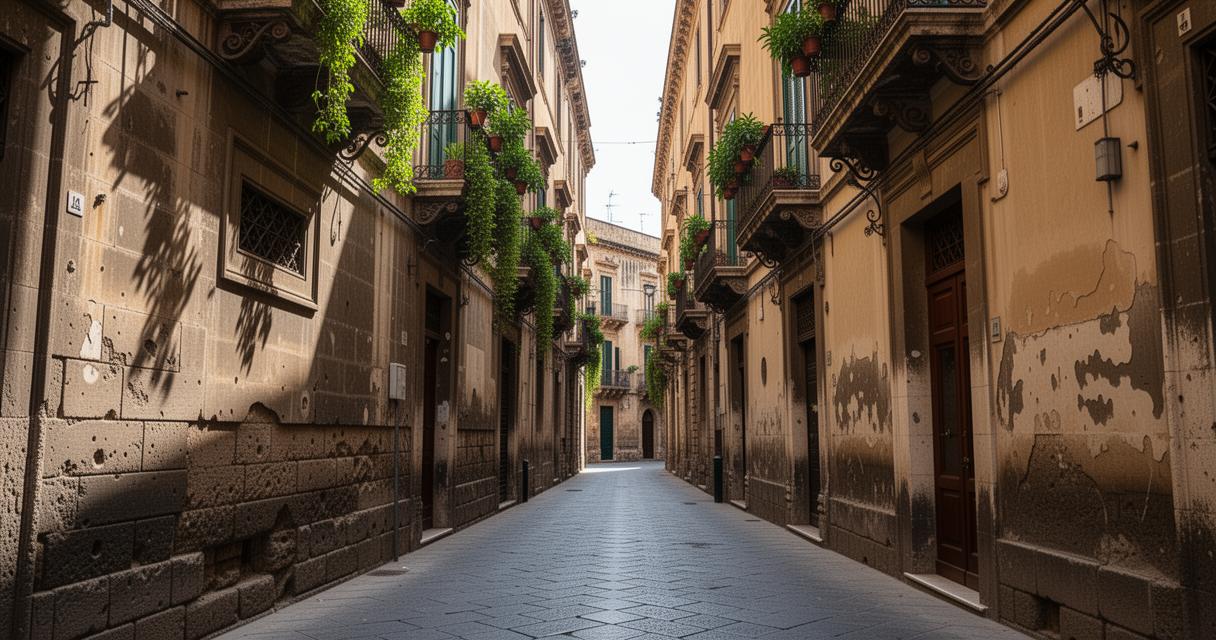
Palermo’s historic quarters are best explored on foot, with no particular agenda beyond curiosity. The Piazza del Duomo and the surrounding old town neighbourhoods — Kalsa, Albergheria, Vucciria — each have their own distinct character, shaped by centuries of overlapping civilisations. The famous street markets, with their overwhelming displays of fresh produce, spices and street food, give the city an almost North African atmosphere that sets it apart from any other Italian destination. Wandering through these ancient lanes, past crumbling Baroque palaces and bustling market stalls, is an experience that no guided tour can fully replicate.
Relaxing landscapes and fascinating regional museums
When the heat and the history begin to feel a little overwhelming, Palermo also offers quieter pleasures. Whether you prefer the tranquillity of green open spaces or the absorbing world of archaeology, the city caters effortlessly to those in search of a gentler pace.
Unwind in the Tranquil Setting of the Botanical Garden
The Botanical Garden of Palermo is one of those places that many visitors overlook, yet it consistently delights those who do seek it out. Established in the late 18th century, it houses an impressive collection of tropical and Mediterranean plant species spread across a beautifully landscaped site near the city centre. For travellers on a Palermo sightseeing itinerary packed with grand monuments, this green oasis provides a genuinely welcome pause — a place to sit, breathe, and absorb the particular quality of Sicilian light filtering through ancient palms and exotic canopies.
Admire Artefacts at the Antonio Salinas Regional Archaeological Museum
For those with an appetite for ancient history, the Antonio Salinas Regional Archaeological Museum is an absolute highlight of any Sicily travel itinerary. The collections housed within span millennia of Sicilian civilisation, from prehistoric artefacts through to pieces recovered from the celebrated Greek temples at Agrigento in the Valley of the Temples. The museum’s holdings include remarkable Phoenician, Greek and Roman pieces that illuminate the island’s role as a crossroads of the ancient Mediterranean world. It is the kind of place where a planned thirty-minute visit quietly becomes two hours, such is the richness of what is on display.
A stopover in Palermo need never feel like a compromise. Whether your interests lie in Norman heritage, Baroque architecture, vibrant street life or quiet contemplation among botanical wonders, this extraordinary Sicilian capital delivers on every count. The best months to visit are generally May, June and September, when the Mediterranean climate is at its most agreeable and the city feels fully alive without the intense heat of high summer. Come with an open mind, comfortable shoes and a willingness to get pleasantly lost — Palermo will do the rest.