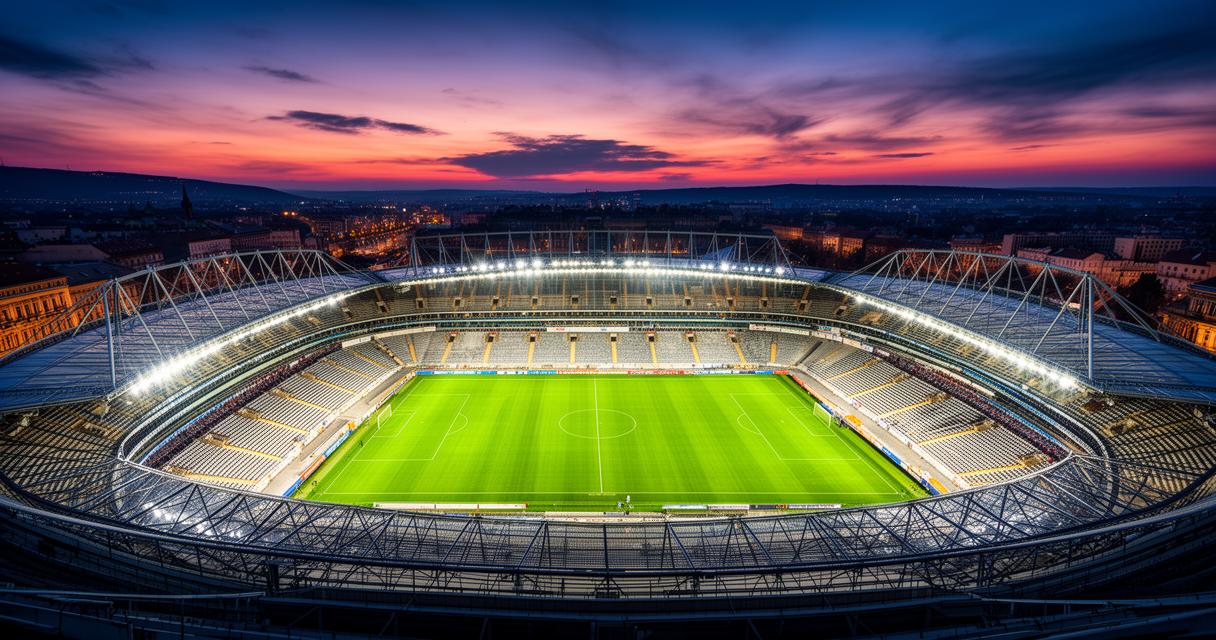
Bordeaux is one of France’s most captivating destinations, drawing visitors with its elegant 18th-century architecture, world-renowned wine culture, and a lively riverside atmosphere. Whether you are planning a weekend city break or a longer stay, this corner of Southwest France offers an extraordinary range of experiences that blend history, gastronomy, and outdoor adventure in equal measure.
In short
- Bordeaux is a UNESCO World Heritage site known for its 18th-century architecture and extensive collection of over 347 listed monuments.
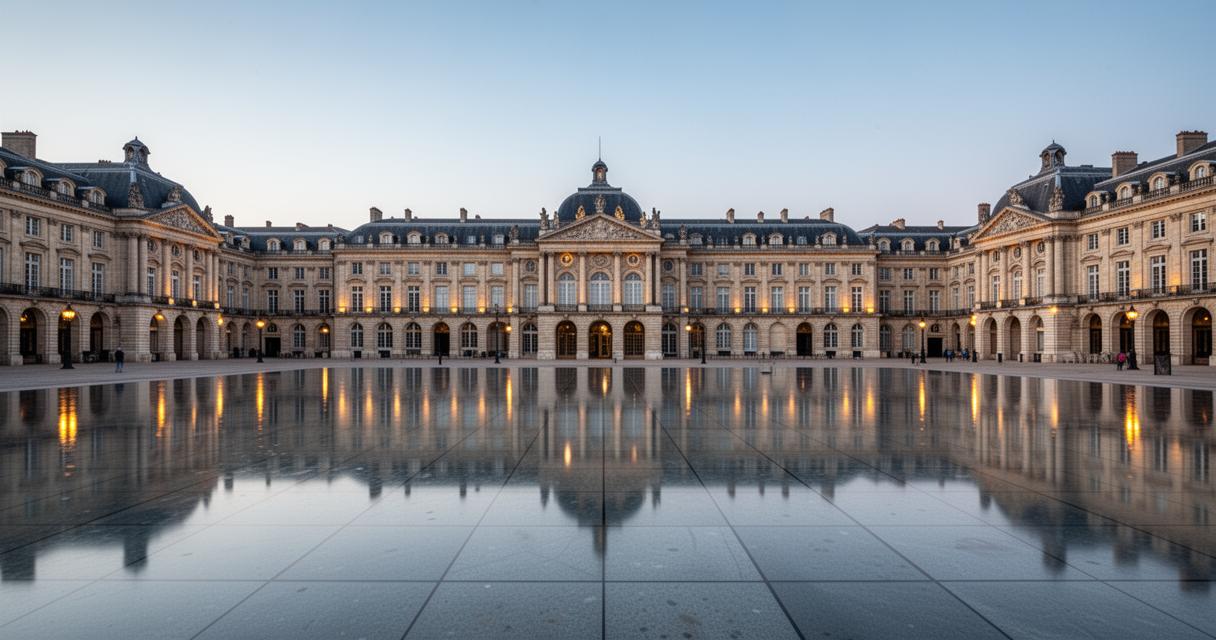
- The city features a pedestrian-friendly historic center, highlighted by iconic landmarks such as the Place de la Bourse’s Miroir d’Eau and the Gothic Saint-André Cathedral.
- Cultural institutions like the Cité du Vin and the Bassins des Lumières digital art gallery offer immersive experiences that define the city’s modern art and history scene.
- Visitors can explore beyond the city center with easy access to the vineyards of Saint-Émilion and the coastal landscapes of Arcachon and the Dune du Pilat.
- Bordeaux offers a vibrant culinary culture centered around local markets like Capucins, alongside diverse wine tasting and gastronomic walking tours.
- The best time to visit the city to enjoy favorable weather and fewer crowds is during the spring months of April to June or the autumn months of September to October.
Discover bordeaux’s rich cultural and historical heritage
For those keen on sightseeing in Bordeaux, the city rewards exploration on foot. You can see the full list here of must-visit landmarks, which spans iconic squares, Gothic cathedrals, and spectacular viewpoints that have earned the city its reputation as a UNESCO World Heritage site. Boasting no fewer than 347 listed monuments, Bordeaux holds the distinction of having the second highest number of protected buildings in all of France — a testament to the extraordinary richness of its cultural heritage sites.
Exploring the City’s Iconic Landmarks and Architecture
The Bordeaux historic centre is entirely pedestrianised, making it a genuine pleasure to wander through. The Place de la Bourse, with its famous Miroir d’Eau reflecting pool stretching across 37,100 square feet, is perhaps the city’s most photographed spot, operational from April to October. Nearby, the Porte Cailhau — a soaring 35-metre city gate — offers panoramic views and historical exhibitions. The Saint-André Cathedral stands as one of the finest examples of Gothic architecture in the region, while climbing the Pey Berland Tower, at a cost of around €6, rewards the effort of its 231 steps with sweeping views across the city’s rooftops.
The Bordeaux architecture extends beyond the obvious landmarks. The Chartrons district, historically the haunt of wine merchants, is lined with handsome townhouses and independent boutiques. A Bordeaux walking tour through these streets reveals layers of history at every turn, from the grand quays along the Garonne river to the lively Rue Sainte-Catherine, one of Europe’s longest pedestrian shopping streets.
Uncovering the Museums and Art Scenes That Define Bordeaux
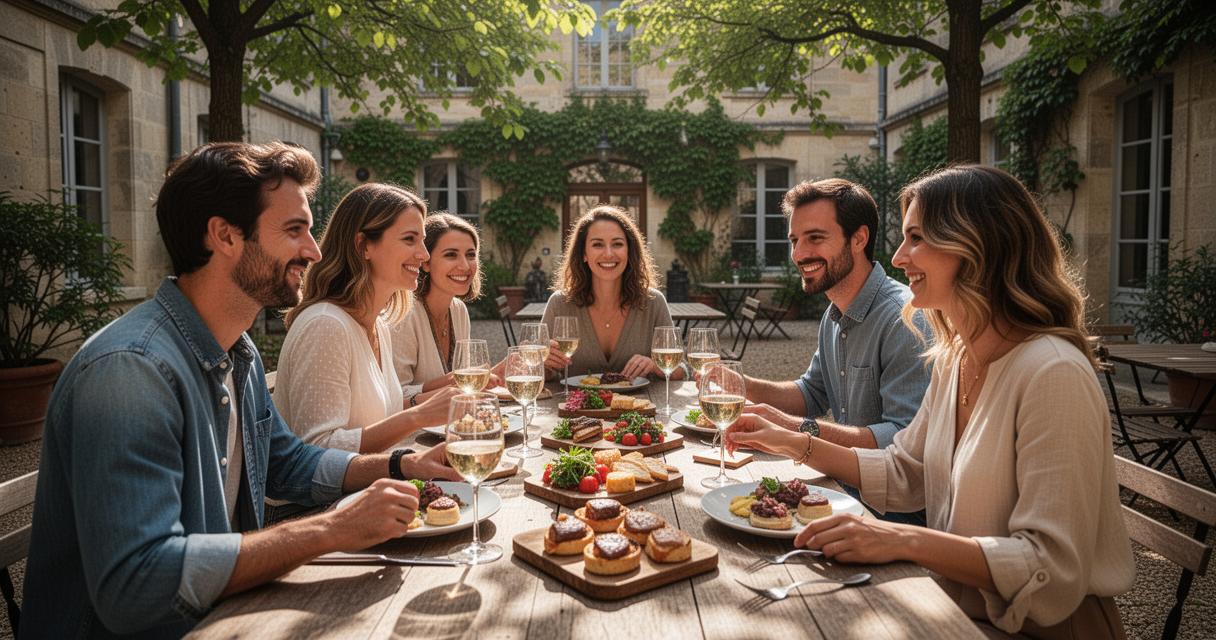
The Cité du Vin is arguably the city’s most ambitious cultural project — a museum entirely dedicated to the history and heritage of wine, featuring immersive exhibits and a panoramic Belvedere from which the city unfolds below. A ticket combining a tour and tasting is available at 28 € per person. Meanwhile, the Bassins des Lumières is the world’s largest permanent digital art installation, projecting spectacular artworks across more than 13,000 square metres of a former submarine base. This breathtaking experience is well worth adding to any visit to the city.
Outdoor Adventures and Culinary Delights in Bordeaux
Enjoying the Vineyards, River Walks, and Natural Surroundings
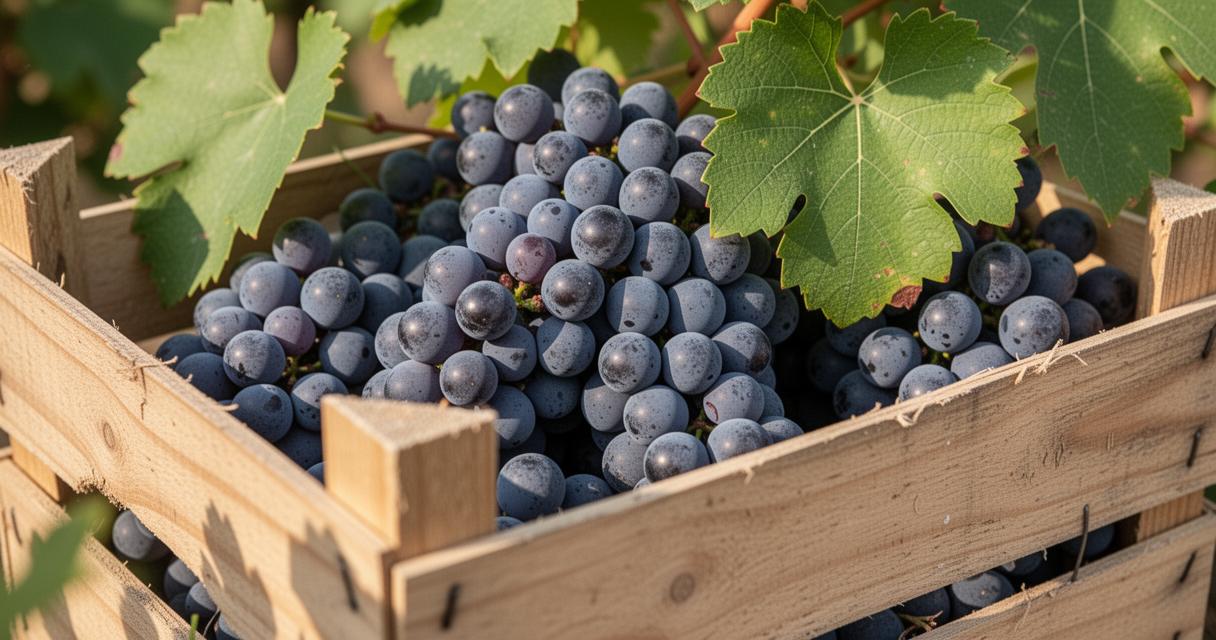
A Bordeaux city break would be incomplete without venturing beyond the urban centre. The medieval village of Saint-Émilion is just 40 minutes away by train and costs under €10 return, making it an ideal Saint-Émilion excursion for those seeking rolling vineyards and ancient stone ruins. For a more coastal experience, Arcachon and its famous Dune du Pilat can be reached in around an hour by train, offering a striking contrast of sand dunes, pine forests, and Atlantic beaches.
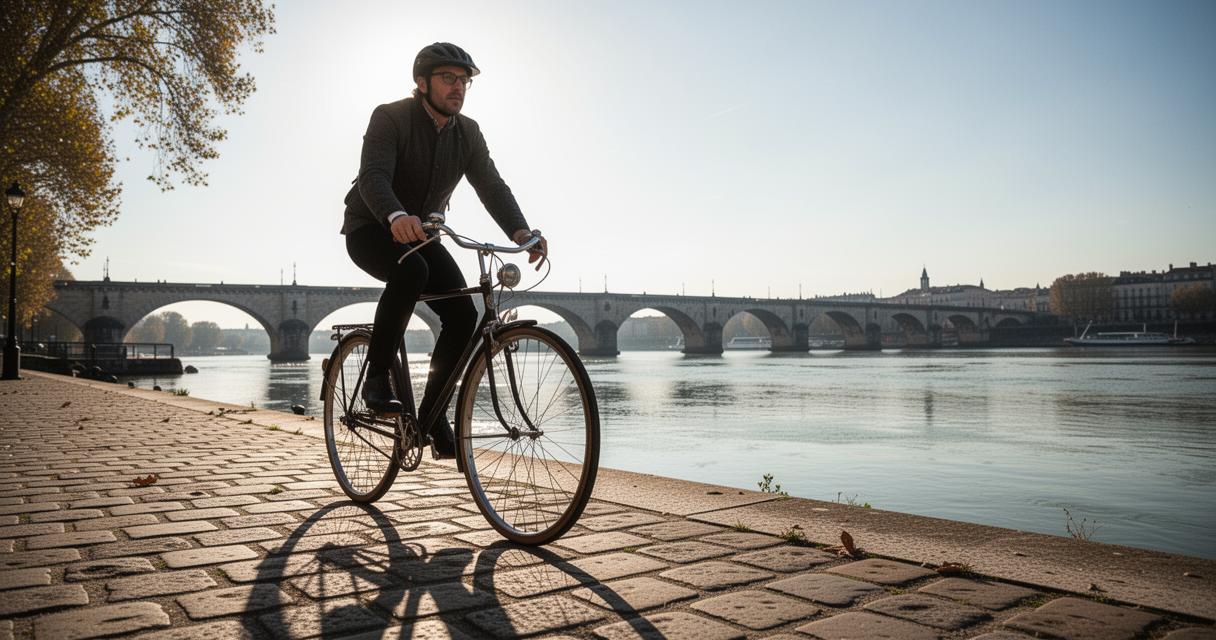
Back in the city, a Garonne river cruise offers a fresh perspective on Bordeaux’s elegant waterfront. A guided cruise combining a glass of wine and a traditional canelé pastry is available at just 19 €, earning an impressive rating of 4.8 from 42 reviews. For something a little more adventurous, a sidecar tour of the city at 99 € per sidecar or the celebrated Eternal Bordeaux tour in a classic 2CV for 119 € per car, rated 4.9 from 11 reviews, add a delightful vintage charm to any Bordeaux weekend itinerary.
Savouring the Local Gastronomy and Wine Culture
The French gastronomy on offer in Bordeaux is as compelling as the wine itself. A dedicated gastronomic walking tour of the historic quarter costs 24 € per person and is a best-seller, having earned a perfect score of 5.0 from 15 reviews. At the vibrant Capucins Market, fresh oysters, charcuterie, and local cheeses abound — arriving before 11:30 on weekends is advisable to make the most of the experience.
For those wishing to deepen their knowledge of Bordeaux wine tours and wine tasting experiences, options range from a wine, cheese, and delicatessen workshop at 35 € per person, rated 4.8 from 16 reviews, to a six-wine cookery workshop at 39 € per person, rated a perfect 5.0. A dinner and cruise along the Garonne, available at 69 € and rated 4.7 from 135 reviews, is consistently among the most popular choices for visitors seeking to combine fine dining with the romance of the river. The best time to visit Bordeaux for a balance of pleasant weather and manageable crowds falls between April and June or September and October, when the city is at its most agreeable.